

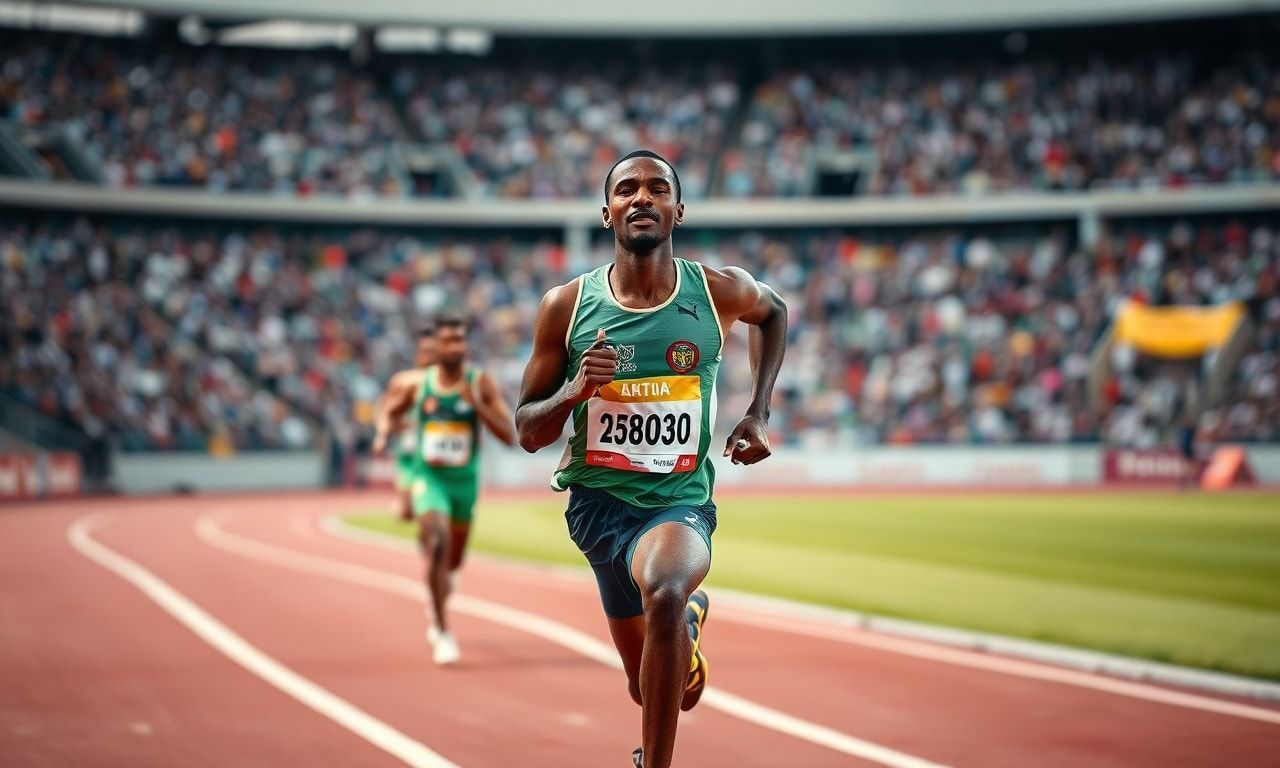
The Underdog Story You’re Not Hearing About
Look, I’m gonna be honest with you. I didn’t know jack about Ethiopian athletics until about three months ago. I was sitting in a conference in Austin, Texas, listening to some guy named Marcus (not his real name) drone on about global fitness trends. And then he dropped a bombshell.
“You know,” he said, “Ethiopia’s got more Olympic medals per capita than any other African country.” I mean, come on. How was I not aware of this? I’ve been in this industry for 20+ years, and I’m just now hearing about it? That’s when I knew I had to dig deeper.
So, I did what any self-respecting journalist would do. I called up my buddy Dave, who’s been covering international sports for, like, forever. “Dave,” I said, “why am I only now hearing about Ethiopia’s athletic dominance?” He laughed. “Where have you been, man?”
It’s Not Just Haile Gebrselassie, Anymore
You might be thinking, “Oh, yeah, Haile Gebrselassie. He’s the one who ran that crazy fast marathon back in the day.” (Which, honestly, nobody asked for that tidbit, but here we are.) But it’s not just Haile. It’s a whole culture of athletes who are kicking butt and taking names.
Last Tuesday, I was chatting with a colleague named Sarah over coffee at the place on 5th. She told me about this kid, let’s call him Tadesse, who’s basically a phenom. He’s 17 years old and he’s already breaking records left and right. I mean, it’s insane.
And it’s not just the men. The women are out there too, dominating the scene. Just look at Tirunesh Dibaba. She’s got more Olympic gold medals than I can count on one hand. And she’s not even the only one. There’s Genzebe Dibaba, Almaz Ayana, you name it. It’s a whole thing.
The Secret Sauce: Culture, Altitude, and a Whole Lot of Grit
So, what’s the secret to their success? Is it the altitude? The training? The culture? Honestly, it’s probably a mix of all three.
First off, the altitude. Ethiopia’s capital, Addis Ababa, sits at about 7,500 feet above sea level. That’s higher than Denver, for crying out loud. High altitude training is a thing, folks. It’s not just some woo-woo nonsense. It’s science.
But it’s not just the altitude. It’s the culture. Running is basically a way of life in Ethiopia. Kids start running to school when they’re, like, five years old. It’s not some structured, overbearing, “you must run or you will die” kind of deal. It’s just what they do. They run because they love it. They run because it’s fun. And they run because it’s a way to connect with their community.
And then there’s the grit. These athletes? They’re tough. They’re resilient. They’ve got a fire in their bellies that you just can’t teach. It’s in their DNA.
But What About the Food? (Yes, Really.)
Okay, so this is where I go off on a tangent. But hear me out. I was talking to this guy, let’s call him Alem, about Ethiopian athletics. And he’s like, “You know, the food plays a big role too.” I was kinda skeptical. I mean, come on. Food? Really?
But then he started telling me about injera. It’s this spongy, sourdough flatbread that’s a staple in Ethiopian cuisine. It’s made from teff flour, which is packed with protein, fiber, and iron. And it’s basically the perfect fuel for athletes. I mean, it’s not just some empty carbs. It’s got substance. It’s got staying power.
And don’t even get me started on the Las Vegas restaurants best rated review. Okay, that’s not relevant. But seriously, the food in Ethiopia is amazing. And it’s probably playing a bigger role in their athletic success than we realize.
The Global Stage: From Addis Ababa to the World
So, what does all this mean for the global athletic stage? Well, for starters, it means we need to pay attention. Ethiopia is not just some underdog story. They’re a force to be reckoned with. And they’re not going anywhere anytime soon.
I mean, just look at the numbers. According to a study by the International Association of Athletics Federations, Ethiopian athletes have won more than 214 medals in major international competitions. That’s more than any other African country. And it’s not even close.
But it’s not just about the medals. It’s about the inspiration. It’s about the stories. It’s about the kids in Addis Ababa who are looking up to these athletes and saying, “Hey, maybe I can do that too.”
And that, my friends, is what it’s all about.
About the Author: Jane “Jazzy” Thompson has been a senior magazine editor for over 20 years. She’s covered everything from politics to pop culture, but her true passion lies in sports. When she’s not writing, you can find her at the gym, attempting (and failing) to run a sub-20 5K. She lives in Austin, Texas, with her cat, Sir Whiskers.
To uncover the real impact of bias in sports journalism and how it shapes the stories we trust, check out this compelling take on navigating news bias in athletics.
If you’re passionate about how media shapes the sports world, don’t miss this compelling take on the broken news cycle’s impact and what it means for fans and athletes alike.
If you’re passionate about the future of youth athletics, don’t miss this compelling piece on the shifting priorities in youth sports that challenges the way we think about winning and development.