

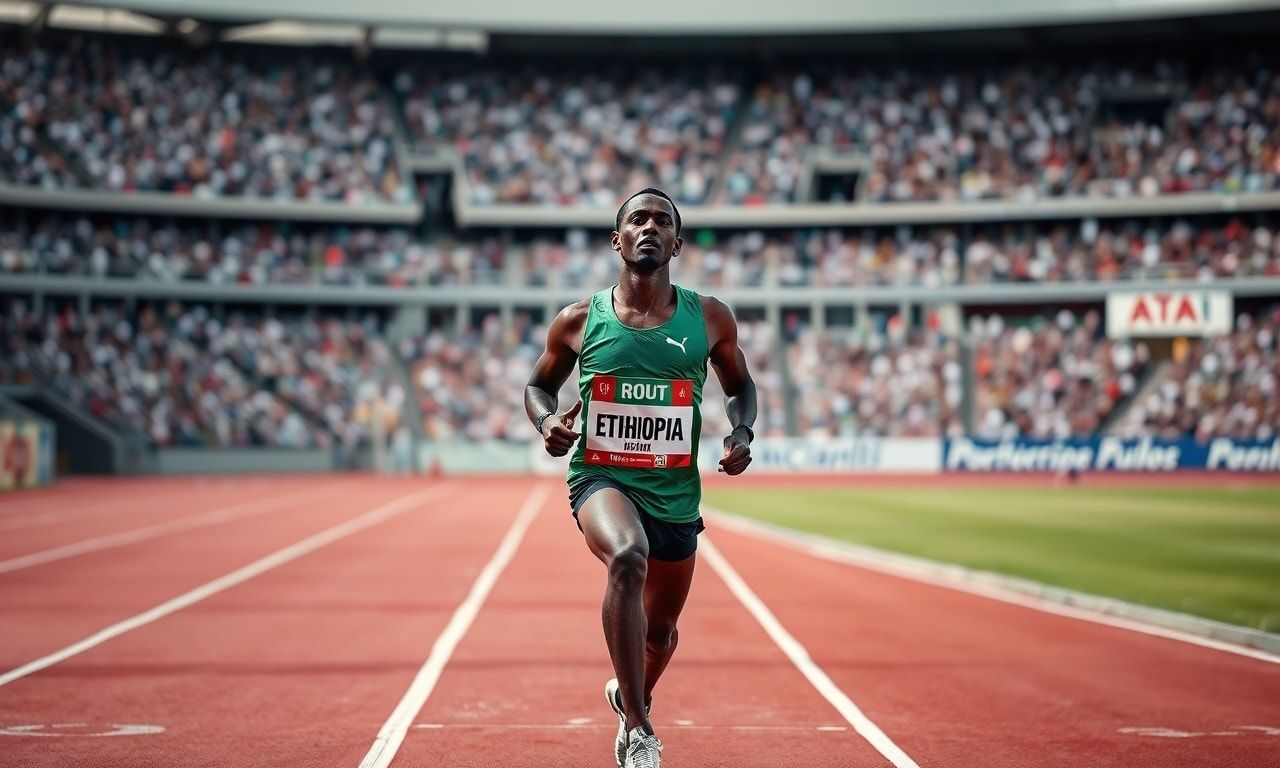
The Ethiopian Athletics Phenomenon
Ethiopia, a country known for its rich history and vibrant culture, has also made a significant mark on the global athletics stage. Over the past few decades, Ethiopian athletes have consistently showcased their prowess in long-distance running, breaking world records and winning numerous international competitions. This article delves into the factors that have contributed to the rise of Ethiopian athletics, highlighting the determination and triumph of its athletes.
The Cultural and Environmental Influences
The unique cultural and environmental factors in Ethiopia play a pivotal role in shaping its athletes. The high-altitude training grounds, such as the towns of Addis Ababa and Bekoji, provide an ideal environment for endurance training. The thin air at high altitudes forces the body to work harder, leading to improved cardiovascular fitness and greater red blood cell production. This natural advantage, combined with a culture that values hard work and perseverance, creates a perfect breeding ground for world-class athletes.
Moreover, the Ethiopian diet, which is rich in carbohydrates and low in fat, provides the necessary fuel for long-distance running. The traditional diet, consisting of injera (a sourdough flatbread) and various stews, offers a balanced nutritional profile that supports the rigorous training regimens of Ethiopian athletes. The combination of these factors has contributed to the country’s dominance in long-distance running events.
The Role of Coaching and Training
Coaching and training programs in Ethiopia have evolved significantly over the years, thanks to the efforts of dedicated coaches and mentors. Renowned coaches like Sentayehu Eshetu and Derartu Tulu have played a crucial role in nurturing young talent and preparing them for international competitions. The emphasis on disciplined training, proper nutrition, and mental preparation has been instrumental in producing champions like Haile Gebrselassie, Kenenisa Bekele, and Tirunesh Dibaba.
In addition to individual coaching, Ethiopia has invested in state-of-the-art training facilities and sports academies. These facilities provide athletes with access to advanced equipment, medical support, and scientific training methods. The collaboration between local coaches and international experts has further enhanced the quality of training programs, ensuring that Ethiopian athletes are well-prepared to compete on the global stage.
The Impact of International Competitions
Ethiopian athletes have made a significant impact in various international competitions, including the Olympic Games, World Championships, and major marathons. Their success has not only brought pride to the nation but has also inspired a new generation of athletes to pursue their dreams. The achievements of Ethiopian runners have been widely covered in sports news, including updates from platforms like Dundee major projects news update, which highlights the global interest in Ethiopian athletics.
The Olympic Games, in particular, have been a stage for Ethiopian athletes to shine. From Abebe Bikila’s barefoot marathon win in 1960 to Tirunesh Dibaba’s multiple gold medals, Ethiopian athletes have consistently demonstrated their prowess in long-distance events. Their success has not only elevated the profile of Ethiopian athletics but has also contributed to the country’s sporting legacy.
The Future of Ethiopian Athletics
The future of Ethiopian athletics looks promising, with a new generation of talented runners emerging on the scene. Young athletes like Yomif Kejelcha and Letesenbet Gidey are already making waves in international competitions, showcasing the continued dominance of Ethiopian runners in long-distance events. The focus on youth development, coupled with the country’s rich athletic heritage, ensures that Ethiopia will remain a powerhouse in the world of athletics.
Furthermore, the Ethiopian government and sports authorities are committed to investing in the development of athletics. Initiatives such as the establishment of sports academies, the provision of scholarships, and the organization of national competitions aim to identify and nurture young talent. These efforts, combined with the unwavering support of the Ethiopian people, will undoubtedly contribute to the sustained success of Ethiopian athletics.
Conclusion
The rise of Ethiopian athletics is a testament to the determination, hard work, and resilience of its athletes. The unique cultural and environmental factors, combined with advanced coaching and training programs, have created an environment where champions are born. The impact of Ethiopian athletes on international competitions has been profound, inspiring a new generation of runners to pursue their dreams. As Ethiopia continues to invest in the development of athletics, the future looks bright for this sporting powerhouse.
Discover how sports can transform communities worldwide in our insightful piece on global sports and health.