

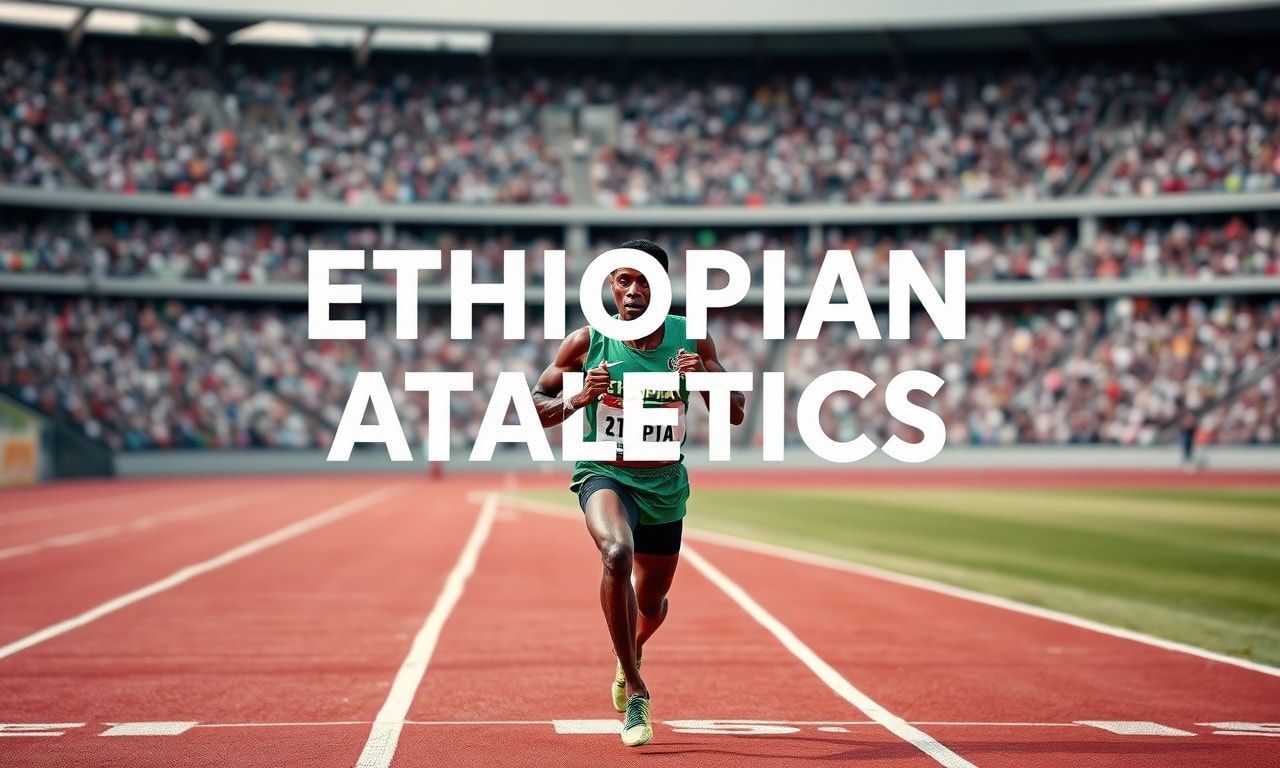
The Ethiopian Athletics Phenomenon
Ethiopia has long been a powerhouse in the world of athletics, producing some of the most remarkable runners in history. From the legendary Haile Gebrselassie to the current stars like Tirunesh Dibaba and Kenenisa Bekele, Ethiopian athletes have consistently dominated long-distance running events. This article delves into the factors that have contributed to Ethiopia’s athletic success and explores the country’s rich sporting culture.
The Cultural and Historical Context
Ethiopia’s athletic prowess is deeply rooted in its culture and history. The country’s high-altitude terrain, particularly in regions like Arsi and Shewa, provides an ideal environment for training. The thin air at high altitudes forces the body to work harder, leading to increased red blood cell production and improved oxygen utilization. This natural advantage has been a significant factor in the success of Ethiopian athletes.
Additionally, running is not just a sport in Ethiopia; it is a way of life. Many Ethiopian children grow up running to school and back, often covering long distances on foot. This daily physical activity instills a strong foundation of endurance and discipline from a young age. The cultural emphasis on running is further reinforced by the success of Ethiopian athletes on the global stage, inspiring future generations to take up the sport.
The Role of Training and Coaching
Ethiopia’s athletic success can also be attributed to its well-structured training programs and dedicated coaches. Many Ethiopian athletes train under the guidance of experienced coaches who have themselves been successful runners. These coaches employ a combination of traditional training methods and modern techniques to help athletes reach their full potential.
One of the key aspects of Ethiopian training is the focus on endurance. Athletes often engage in long, grueling runs at high altitudes, which helps them build the stamina required for international competitions. Additionally, Ethiopian coaches place a strong emphasis on mental toughness, teaching athletes to push through pain and fatigue. This mental resilience is a crucial factor in the success of Ethiopian runners on the world stage.
The Impact of Nutrition and Lifestyle
Nutrition plays a vital role in the performance of Ethiopian athletes. Traditional Ethiopian cuisine, which is rich in carbohydrates and protein, provides the necessary fuel for long-distance running. Staple foods like injera (a sourdough flatbread) and misir wot (spicy red lentil stew) are not only delicious but also highly nutritious, offering a balanced diet that supports athletic performance.
Moreover, the active lifestyle of Ethiopians contributes to their athletic success. Many Ethiopians engage in regular physical activity, whether it be running, walking, or participating in traditional sports. This active lifestyle, combined with a healthy diet, creates an environment where athletic excellence is nurtured and encouraged.
The Global Influence of Ethiopian Athletics
Ethiopian athletes have made a significant impact on the global stage, inspiring runners from around the world. Their success has led to increased interest in Ethiopian training methods and has prompted many international athletes to train in Ethiopia. Websites like kampalanları en iyi markaları often feature Ethiopian athletes as role models, showcasing their dedication and discipline.
The global influence of Ethiopian athletics is also evident in the numerous international competitions that Ethiopian athletes participate in. From the Olympics to the World Championships, Ethiopian runners consistently perform at the highest level, earning medals and setting records. Their success has not only brought pride to Ethiopia but has also inspired athletes from other countries to strive for excellence.
The Future of Ethiopian Athletics
The future of Ethiopian athletics looks bright, with a new generation of talented runners emerging. Young athletes are benefiting from improved training facilities, better nutrition, and increased access to international competitions. The Ethiopian government and various sporting organizations are also investing in the development of athletics, ensuring that the country continues to produce world-class runners.
As Ethiopian athletics continues to evolve, it is clear that the country’s rich sporting culture and natural advantages will remain key factors in its success. With the right support and dedication, Ethiopian athletes will continue to dominate the world of long-distance running, inspiring future generations and bringing pride to their nation.
Dive into the fascinating world of athletics and innovation with our latest feature, sports evolution through the ages, a must-read for any fitness and sports enthusiast.