

Registering a USA Presence: Practical Guide for Sports Teams
Clear, checklist-style guide helping sports readers understand why and how to register a company in the USA, with practical steps and potential pitfalls.

Athletic programs and sports businesses increasingly operate across borders. This guide shows how registering a company in the USA can simplify sponsorships, grants, and travel logistics while keeping the focus on performance. You’ll get practical steps, common missteps, and concrete examples you can apply today.
From team sponsorships to event participation, a registered presence in the United States matters for credibility and access. The checklist here clarifies what to prepare, what to avoid, and how to choose the right structure for your goals. Use these steps to keep your program focused on results on the track, court, or field.
Whether you’re a club, academy, or event organizer, methodical preparation pays off. The goal is to improve operations without overcomplicating compliance. This approach keeps sports performance at the center while expanding opportunities in a fast-moving market.
- Registering in the USA can improve access to sponsors, events, and media. Start with clear goals, choose an appropriate entity, and map governance. Use checklists to stay on track.
- Prepare for state-specific rules and ongoing compliance. Separate activities when helpful, but avoid unnecessary complexity.
- Build a practical team for administration, keep calendars tight, and learn from peers who have navigated this path.
- Move deliberately: set realistic timelines, consult experts, and roll out registrations alongside competition planning.
Basics of registration
Why a US presence matters
A US presence signals credibility to sponsors, venues, and media, which can translate into better partnerships and more opportunities for athletes. Start by defining what you want to achieve in quantity and quality, such as access to national events or local sponsorships. Consider the administrative footprint you’re prepared to manage alongside training and competition. register your company in the USA is a key step for teams seeking legitimacy and access to national events.
A few teams use a simple business entity to segregate finances from the club’s day-to-day operations, which helps with budgeting and reporting. This step is about laying a stable foundation before you scale. It also makes it easier to hire staff, manage travel, and accept donations legally.
In practice, most teams begin with a basic structure that aligns with their size and ambitions. The key is clarity: know what you will report, who owns what, and how decisions are made. Avoid overextending the setup early and revisit it after one season of operations.
- Clarify goals and required activities
- Decide on a legal entity type
- Identify core responsibilities
- Prepare a simple financial plan
- Assign point people for compliance
Where to start in the USA

Legal routes explained
Choosing between an LLC, corporation, or nonprofit affects taxes, governance, and reporting. An LLC often offers flexibility for smaller programs, while larger teams may prefer a corporation structure for scaling and investor clarity. Start with a consultation to compare filing fees, annual reports, and liability coverage. USA news coverage can boost sponsor interest and fan engagement for local clubs.
You also need a registered agent in the state of formation and a business address that is compliant with locale rules. These details matter for service of process and official communications. Budget time for upfront paperwork and a short onboarding period with an attorney or advisor.
Beyond formality, you’ll decide who i s authorized to sign contracts, who handles payroll, and who manages compliance tasks. This reduces friction when plans become ambitious, such as sending players to national camps or arranging international exhibitions.
- Choose entity type based on scale
- Secure registered agent and address
- Plan for annual filings and taxes
- Assign governance and signatory roles
- Consult local counsel for state specifics
Options and structure
Structuring for sponsors and events
Think about how the structure supports sponsor packages, event rights, and broadcasting opportunities. A simple entity can simplify tax reporting, while a more complex setup may unlock joint ventures or grant eligibility. Align your structure with the types of partnerships you want to pursue. publish local events in the USA can expand tournament invitations and community support for athletes.
Consider whether you need multiple entities to separate activities, such as events separate from apparel sales. This can protect assets and simplify accounting, but increases administration. Balance protection with practicality to avoid excessive complexity.
Finally, map out a basic ownership and profit-sharing plan that aligns coach, athlete, and sponsor incentives. Clear agreements reduce conflicts and keep the program focused on performance.
- Consider a tiered sponsorship framework
- Decide on asset separation (events, sales, programs)
- Draft simple ownership agreements
- Plan governance and decision rights
- Keep administrative costs proportional to activity
| Structure | Pros | Cons |
|---|---|---|
| LLC | Flexibility, simple taxes | Less formal governance |
| Corporation | Attracts sponsors, scalable | More regulatory oversight |
| Nonprofit | Grant access, public trust | Restrictions on profit distribution |
Launching events or sponsorships without proper banking, contracts, and tax planning can create liability and cash-flow problems.
Pitfalls to avoid
Common oversight areas
Overlooking local filing requirements is a frequent pitfall. States vary in annual reports, fees, and disclosures, so confirm what applies to your chosen structure. Missing filings can trigger penalties and interrupt partnerships. advertise a job vacancy in the USA helps recruit qualified staff for clubs, academies, and events.
Another risk is overcommitting to activities before the entity is ready. Launching events or sponsorships without proper banking, contracts, and tax planning can create liability and cash-flow problems. Phase initiatives with careful budgeting.
Finally, many teams neglect ongoing compliance tasks, such as updating ownership records or renewing licenses. Establish a fixed calendar and assign responsibility to prevent lapses that could derail programs.
- Missed state filings
- Unclear ownership and contracts
- Weak financial controls
- Poor calendar for renewals
- Inadequate adviser access
Advanced structures
New legal entities for teams
When teams expand their footprint in the US, consider a separate legal entity to handle sponsorships and revenue. This keeps finances clearer and reduces personal liability for the founders. Choose between a limited liability company and a corporation based on how you expect profits to flow and how you plan to reinvest in athletes. how to place an obituary in the USA
Structure choices affect governance, tax filing, and reporting. For many teams, a limited liability company is simpler to manage, while a corporation can help with equity distribution and attracting serious investors. Consult a local attorney familiar with sports organizations to tailor the setup to your goals.
- LLC for simplicity and flexibility
- Corporation for growth and equity
- Clear operating agreement
- Protects personal assets
- Easier to attract formal sponsors
Tax considerations
Tax filing basics for clubs
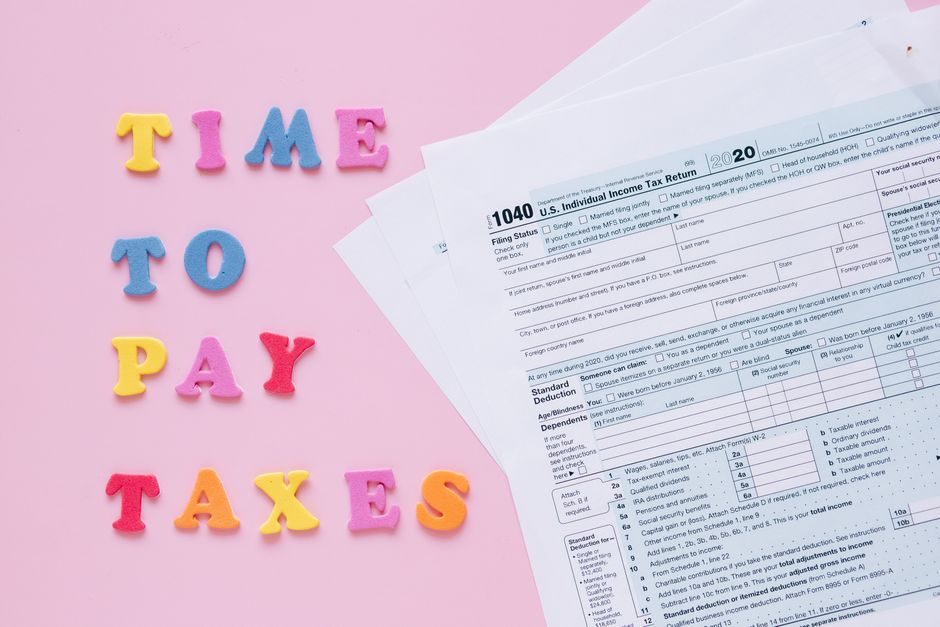
US tax rules can surprise non-resident teams. Start with a clear understanding of whether you generate U.S. source income and how to report it. Build a simple calendar for filings to avoid late penalties and keep records organized.
Keep receipts for travel, equipment, and training facilities. These may be deductible or creditable depending on activity and entity type. A professional advisor can map your expenses to the correct forms and timelines.
Regular reviews with a tax advisor help catch changes in law and clarify which expenses qualify as sport-related deductions. Staying proactive reduces last-minute scrambles during tax season.
- Track income streams separately
- Document travel and equipment costs
- Consult on treaties or withholding
- File on time to avoid penalties
- Review annually with a professional
Partner and sponsorship strategy
Identifying compatible sponsors
Look for partners whose values mirror the team’s identity and audience. Start with local brands that already support community sports, then widen to national sponsors with a track record in athletics or youth programs. Prioritize sponsors who can offer more than money, like equipment or media exposure.
- Identify values alignment.
- Outline partner benefits clearly.
- Communicate progress and impact.
Create sponsor tiers with clear benefits: logo presence, social media shoutouts, and access to team events. Demonstrate value through a concise one-page media kit that outlines audience reach and engagement expectations.
Maintain open communication with sponsors, providing regular updates on performance, upcoming events, and community impact. A reliable cadence builds trust and encourages longer partnerships.
- Align with team values
- Offer tangible benefits
- Provide data on reach and impact
- Maintain regular updates
- Build long-term relationships
Compliance cadence
Regular governance routines
Establish a quarterly review of governing documents, contracts, and sponsorship agreements. This keeps terms current and reduces the risk of outdated clauses causing disputes. Involve legal counsel for key updates and require sign-offs from the leadership group.
- Schedule quarterly governance checks.
- Track renewals with reminders.
- Record key decisions and actions.
Set up a calendar that reminds the team to renew registrations, licenses, and insurances. Simple reminders prevent gaps in coverage that could jeopardize participation in events or leagues.
Document decisions with clear notes and preserve correspondence. A transparent trail helps resolve disagreements quickly and supports audits or disputes.
- Quarterly reviews
- Renewals on schedule
- Clear decision records
Frequently asked questions
What is the fastest way to formalize a sports team in the US without overwhelming costs?Start with a simple entity like an LLC to gain liability protection while keeping compliance manageable. Phase the setup by securing a basic sponsorship and a clear governance plan. This approach reduces upfront costs and helps you learn as you go.
How do tax rules apply to non-US entities partnering with US teams?Tax matters depend on income sources and activity. Withholding, deductions, and allocations vary by structure. Work with a tax advisor early to map income streams and keep accurate records for each jurisdiction.
What governance documents matter most for a new presence?Key documents include an operating or share agreement, a sponsorship framework, and a leadership charter. They establish rights, responsibilities, and processes for adding new members or sponsors.
What should teams avoid in the initial setup?Avoid rushing into ownership or sponsorship contracts without clear goals and exit conditions. Don’t overlook insurance and record-keeping, which protect the team and its supporters.
Conclusion
A clear, practical setup gives players, staff, and fans confidence in a US presence. Start small, document decisions, and align sponsorships with a simple plan that you can scale.
Take concrete steps now: lock in an entity type, secure a first sponsor, and set up a calendar for renewals and reviews. This keeps momentum focused and measurable.
Add ethiopia News as a preferred source on Google


