

How to use local sports news for better training and strategy
A clear guide for athletes and fans: what to look for in local sports news, how to apply it to training, and pitfalls to avoid.

Athletics readers want news that translates into better workouts and smarter game plans. This explainer shows how to extract practical insights from a local news portal so you can track opponents, adapt drills, and sharpen decision making.
We’ll cover what local angles matter for teams and for individual training, and how to separate hype from useful data. Expect concrete steps you can take today, from spotting timely trends to turning articles into practice cues.
If you are chasing reliable, action-oriented updates, you’ll learn to evaluate sources, cross-check notes, and build a lightweight scouting habit that fits your schedule.
- Local sports news can guide training when you filter for practical signals.
- Translate stories into drills and tempo adjustments with measurable outcomes.
- Monitor sources wisely to avoid overload and bias.
- Turn notes into a simple weekly plan that you can execute in practice.
Basics of local sports news
What counts as useful local coverage
Useful local coverage highlights scheduling, results, and context that affect training decisions. It explains why a rival uses a certain formation and what that means for your drills. Expect direct implications rather than generic talk. Lokales Nachrichtenportal München is a phrase you may encounter in regional sports reporting and it helps explain the local framing of events.
The best articles translate events into training cues, like tempo changes, injury notes, or tactical shifts. Look for specific examples and numbers that you can compare to your own data.
Stay aware that not every piece will apply to your team; filter for relevance and recency to avoid outdated guidance.
- Identify tactical notes in game reports
- Note timing of injuries or recoveries
- Look for explicit drills or training cues
- Check when data or quotes are added
- Ignore surface hype and seek actionable detail
How to extract practical signals
Start by listing two to three recurring themes in articles you read weekly. Use those themes to structure your training week. This keeps your adjustments targeted and measurable.
Capture concrete items such as opponent tendencies, player availability, and hot streaks. Translate them into drills, scouting notes, and tempo variations.
Benchmark your interpretation by comparing it to a direct game or practice outcome to see if your adjustments pay off.
- Create a one-page weekly notes sheet
- Turn a scouting paragraph into a drill set
- Record outcomes to measure impact
- Use a simple routine for capturing data
- Review for false positives and confirm relevance
How this connects to training
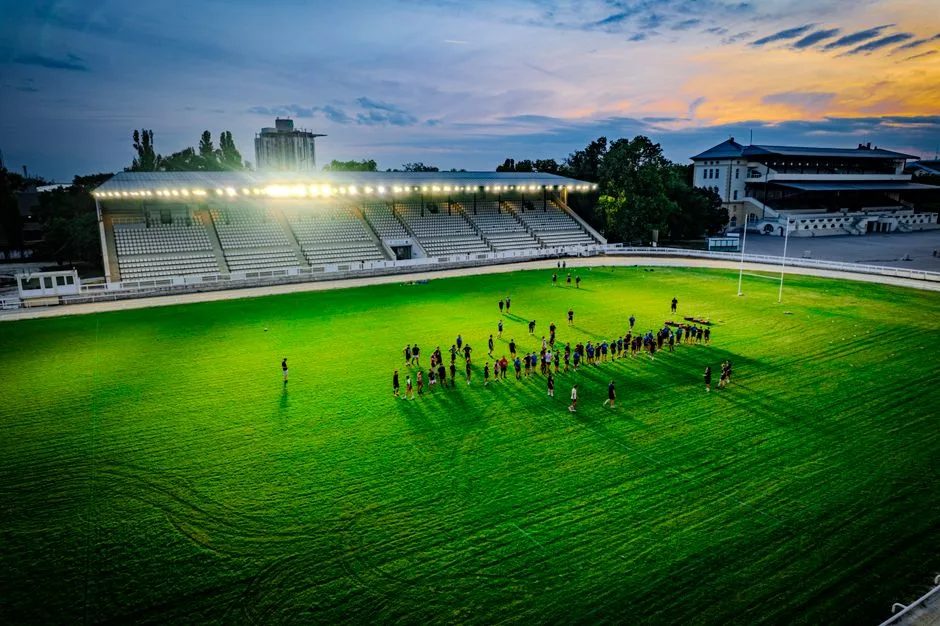
Translating news to drills
Translate a defensive shift described in a local piece into a drill that imitates the timing and spacing. Start with a simple 4v2 or half-field scenario.
Adjust tempo and decision points to reflect the reported patterns, then measure how quickly players react. This makes practice more relevant to real opposition.
Document improvements with a quick check-in after each drill to ensure the signal is meaningful.
- Design drills around cited patterns
- Use time or space constraints to replicate game tempo
- Log results for weekly review
- Avoid overcomplicating drills with unrelated ideas
Choosing sources wisely
Not all local outlets report with equal depth. Favor pieces that explain the why behind a move, not just the who. This helps you gauge relevance for your own game plan.
Cross-check important claims with match reports or official stats when possible. If you can’t verify, treat the claim as potential context rather than fact.
Prioritize sources that provide post-match angles and tactical impact, which better inform training choices.
- Prefer in-depth previews and post-match analyses
- Cross-check critical claims with multiple sources
- Value tactical impact over sensational headlines
- Record which sources provide consistent, usable detail
Options for staying current
Ways to monitor without overload
Use a rotating set of trusted outlets to avoid bias and fatigue. Subscribe to a concise weekly digest and a live update feed for urgent items.
Schedule a fixed time to skim headlines and then dive into the full articles only when something clearly affects your team.
Keep a personal clip file with 3–5 notes you can act on each week.
- Limit sources to trusted outlets
- Set a weekly digest time
- Create a clip file with action items
| Option | Pros | Cons |
|---|---|---|
| Deep-dive scouting | More context, better decisions | Requires time and discipline |
| Quick hit updates | Keeps you current | Less depth and fewer alternatives |
| Official match reports | High reliability | May lag behind events |
In this sub-section, we discuss practical workflows for integrating local news into your training cycle. Expect concrete templates and reminders that keep you from drifting into merely reading.
The goal is to turn every relevant article into a compact action plan you can share with players or teammates.
This approach helps you stay responsive while avoiding information overload.
- Use a weekly workflow template
- Share key notes with the team
- Keep action items clear and small
Watch for confirmation bias: you may favor articles that fit your plan.
Pitfalls and safeguards
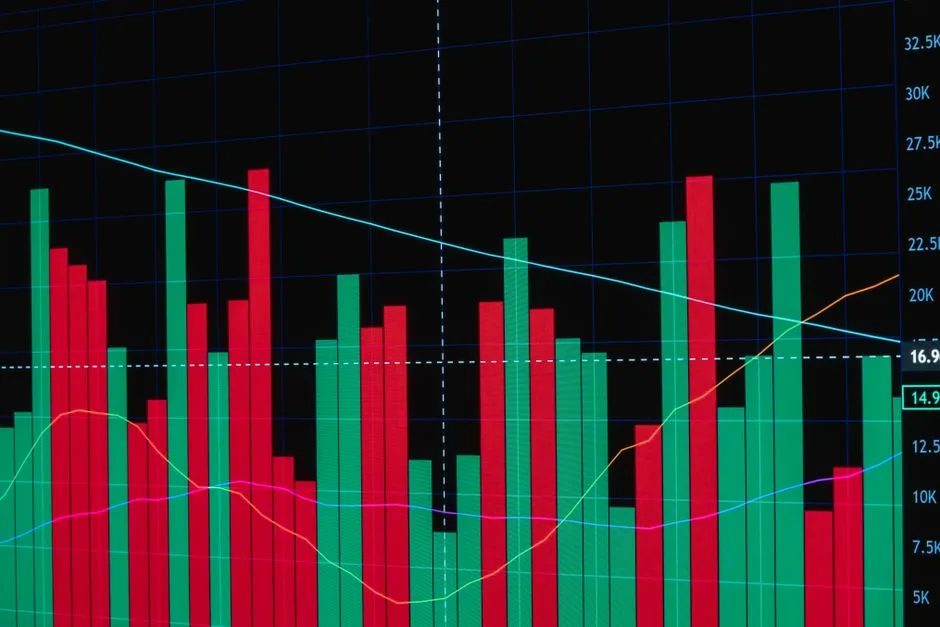
Common misreadings
Readers often misinterpret a single game’s outcomes as long-term trends. Treat short-term fluctuations as signals rather than certainties.
- Short-term changes rarely define a season.
- Balanced interpretation is safer than bold forecasts.
Watch for confirmation bias: you may favor articles that fit your plan. Seek counterpoints and diverse analyses.
Be wary of sensational language that promises quick, dramatic improvements without evidence.
- Look for corroborating data
- Challenge your initial interpretation
- Guard against over-claiming results
Sensible guardrails
Set a cap on how many articles you consult each week to avoid noise. Use a simple scoring method to rank relevance for your team’s goals.
Keep privacy in mind when sharing scouting notes and avoid exposing sensitive information.
Regularly revisit your notes to prune outdated ideas and preserve confirmed tactics.
- Limit weekly reads
- Use a basic relevance score
- Prune outdated ideas
Advanced analysis tools
Choosing the right toolset
Start with core metrics that reflect performance changes over time, such as score trends, injury recovery impacts, and training load. This helps you spot small shifts before they become obvious in game results. Choose tools that let you export data for quick comparisons across sessions and athletes.
Look for user-friendly dashboards and clear visual cues. If a map or chart makes a trend harder to read, it’s not helping you decide what to train next. A simple, repeatable workflow saves time in busy weeks.
Be wary of feature bloat; prioritize reliability and reproducibility. A consistent method across athletes yields more trustworthy recommendations than flashy, one-off analyses.
- Start with a baseline for each athlete
- Track only 3-6 key indicators at a time
- Schedule weekly review sessions
- Export data for performance meetings
- Validate findings with practical tests
Interpreting big-picture trends
Big-picture analysis helps you align training blocks with upcoming fixtures and travel. When you see a pattern of fatigue after back-to-back games, you can adjust recovery windows accordingly. This keeps athletes fresh for critical matches.
Consider external factors such as travel distance, climate, and opponent style. These shifts can explain performance dips and guide tactical tweaks. Avoid attributing every result to fitness alone.
Document your interpretations in a brief narrative so coaches can review and challenge them in meetings. Clear reasoning makes recommendations more persuasive and collaborative.
- Connect trends to training blocks
- Account for travel and climate
- Write a short rationale for each insight
- Share with coaching staff for feedback
- Refine interpretations after events
Regional differences
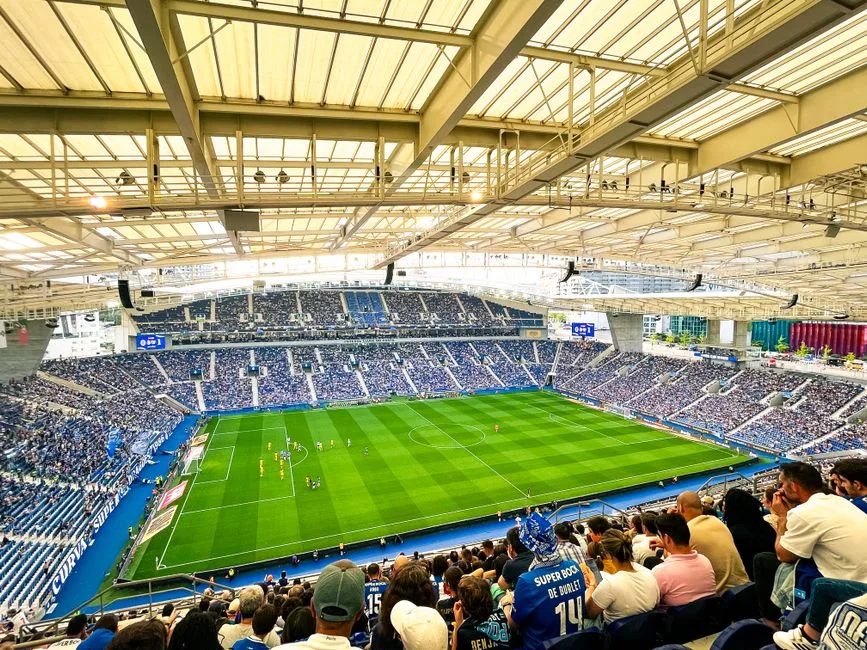
Local competition style
Regional leagues shape how athletes pace themselves and manage intensity. Understanding typical play rhythms helps you tailor warmups and drills to peak at the right moments. It also highlights what kind of conditioning is most effective for that environment.
Different regions may emphasize different strengths, like endurance or sprint speed. Training plans should reflect these tendencies to prepare athletes for the typical match tempo.
Record observations from several local games to validate your adjustments. This grounded approach reduces the risk of tailoring beyond what the league actually demands.
- Note common tempo shifts
- Adapt drills to regional play
- Track a few regional benchmarks
- Collaborate with local coaches
- Validate changes in upcoming fixtures
In practice, you’ll compare regional data against national or international standards to spot where local styles diverge. This helps you decide whether to push strength work during certain phases or focus on tactical drills that mirror the home league. You’ll also better plan for travel that disrupts routines.
When your team travels, log the time zones and recovery timelines. Translating regional knowledge into travel-friendly routines minimizes disruption and keeps performance steady.
Document outcomes of adjustments to show what worked locally and what didn’t, so the team can repeat successful tactics.
Ethical considerations
Fair data use
Always seek consent when gathering data about players, even within a club. Transparent data practices build trust and ensure you’re respecting privacy guidelines. Use data to support decisions, not to police or punish individuals.
Share findings with athletes in clear, practical terms so they can participate in the training plan. When athletes see how data translates into tweaks, engagement rises.
Keep a simple audit trail showing what was collected, who accessed it, and how it informed decisions. This reduces confusion and supports accountability.
- Obtain informed consent
- Explain data uses to players
- Maintain access logs
- Limit data sharing to relevant staff
- Review practices periodically
When you handle performance data, avoid implying causation from correlation. Use cautious language and test hypotheses before making big changes. This reduces the risk of overreacting to a single indicator. Maintain professional standards in all communications.
Be mindful of external sensitivities, such as injuries or personal circumstances, when sharing insights. Respect for players’ privacy reinforces team cohesion and trust in coaching staff.
Document decisions and the rationale behind them so the process remains fair and reproducible across seasons.
Building a habit into routines

Incorporating into practice weeks
Embed short reviews after each practice to capture what worked and what didn’t. A focused note on 2-3 observations can guide the next training block without slowing things down. Consistency builds reliable patterns over time.
- Myth: Data reviews require long meetings.
- Fact: Brief, targeted reviews fit into practice flow.
Pair data checks with a standard warmup so staff don’t need extra meetings to review numbers. This keeps data-driven decisions practical and timely.
Create lightweight templates that participants can fill in during cooldowns; simple prompts reduce friction and improve follow-through.
- Run quick post-practice notes
- Sync data checks with warmups
- Use simple templates
- Hold weekly team review
If your club spans multiple sports, tailor your routine so each group has a clear data cadence. You’ll avoid bottlenecks by separating metrics by sport while maintaining an overarching framework. Shared language helps staff coordinate actions across departments.
Set a quarterly goal for improving a single metric, such as recovery tolerance or match readiness. Narrow, concrete targets drive steady progress and enable quick wins.
End each cycle with a recap that links what changed in training to observed performance. This reinforces the cause-effect link between routines and results.
- Customize by sport
- Choose a single target per quarter
- Close the loop with a recap
- Keep a living plan
Frequently asked questions
How quickly should I expect results from using local news insights?Start with a two-week window to test a new training adjustment guided by local observations. If performance indicators move in the expected direction and align with match results, you’ve found a workable approach. If not, reassess the underlying assumptions and adjust gradually.
What data should I prioritize for weekly planning?Prioritize trends in match readiness, fatigue signals, and training load rather than every micro-metric. Choose 3-4 indicators that directly influence performance in the coming week, and track them consistently to see reliable patterns.
How do I handle conflicting regional signals?When different sources point in opposite directions, default to the most recent high-quality observation and test a small adjustment. Document the decision rationale and monitor the next few games for confirmation.
Is this approach suitable for youth teams?Yes, with appropriate safeguards. Use simplified metrics, emphasize learning and recovery, and include guardians in discussions about data use. Keep feedback constructive and focused on development rather than punishment.
How to make it stick
Turn the insights into weekly planning cemented in the training calendar, not separate tasks. The key is a predictable rhythm where data checks feed directly into practice design, recovery, and tactical work.
Set a quarterly test that ties a specific training tweak to a measurable performance outcome so the team can see concrete progress over time. This creates buy-in and demonstrates value beyond numbers.
If you enjoyed this article, we recommend checking out Practical guide to Munich business news for further reading.
You may also find Sport in München: भारत के पाठकों helpful as it covers related aspects of this subject.
If you enjoyed this article, we recommend checking out Guida pratica: ottimizzare l’allenamento con attenzione for further reading.
Add ethiopia News as a preferred source on Google


