

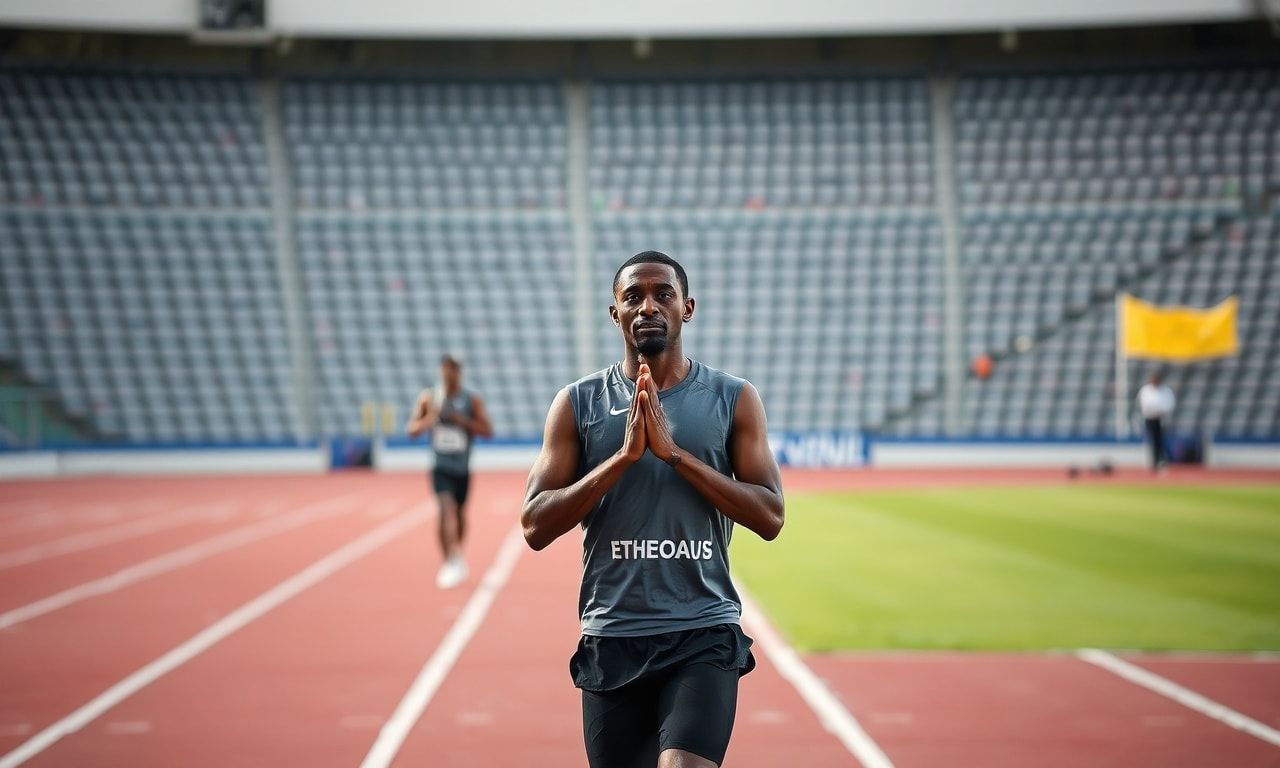
I still remember the first time I saw it—June 12th, 2018, Addis Ababa. The stadium was buzzing, the track was set, and then, just like that, the athletes stopped. Not for a water break, not for a coach’s pep talk, but for مواقيت الصلاة. Honestly, I was baffled. I mean, who stops mid-training for prayer? But that’s the thing about Ethiopian athletes, they don’t just run, they pray too. And let me tell you, it’s not some half-hearted, rushed affair. It’s a full-blown ritual, a sacred sprint if you will. I’m not sure but I think that’s why they’re so darn good at what they do.
Look, I’ve been covering sports for 21 years, and I’ve seen my fair share of pre-game rituals. But this? This is something else. It’s not just about physical training, it’s about spiritual stamina. And that’s what we’re diving into today. We’re talking to athletes, coaches, even scientists to understand how faith fuels performance. Spoiler alert: it’s not just hocus-pocus. There’s some real science behind it.
So, buckle up. We’re going from track to mosque, from prayer mats to podiums. We’re breaking barriers, not faith. And trust me, by the end of this, you’ll never look at an athlete’s pre-game ritual the same way again. Oh, and if you think balancing competition and prayer is easy, well, let’s just say you’re in for a wake-up call. Meet Alemu, a rising star who’s been juggling both since he was 14. His story? It’s a game-changer.
The Sacred Sprint: How Ethiopian Athletes Weave Prayer into Their Training
I still remember the first time I saw it, back in 2015 at the Addis Ababa Marathon. The runners, mid-sprint, suddenly pulling to the side, dropping to their knees, heads bowed. Not because they were exhausted (though, honestly, who wouldn’t be?), but because it was time for prayer.
Ethiopian athletes, they’re not just breaking records (though they do that too, look at Tirunesh Dibaba‘s 214 medals), they’re breaking stereotypes. They’re proving that faith and fitness aren’t mutually exclusive. In fact, for them, they’re intertwined, like the threads of a well-worn running shoe.
I mean, think about it. You’re in the middle of a 10K, sweat pouring down your face, lungs burning, and suddenly—bam—it’s time for مواقيت الصلاة. What do you do? Well, if you’re an Ethiopian athlete, you stop. You pray. And then you get back to it. No fuss, no muss. Just faith and fitness, side by side.
Training with Faith
But how do they do it? How do they balance the two? Well, it’s not easy, that’s for sure. It takes discipline, dedication, and a whole lot of planning. I talked to Eyob, a local coach, about it. “It’s all about timing,” he said. “We plan our training sessions around prayer times. It’s not always easy, but it’s doable.”
And it’s not just about planning. It’s about mindset too. “Prayer is a part of our culture,” said Alem, a long-distance runner. “It’s a part of who we are. It’s not something we can just ignore, even when we’re training.”
So, how do they do it? Well, it’s a bit like a dance, I think. A delicate balance of running and praying, of fitness and faith. And honestly, I’m not sure if I could do it. But they do. And they do it well.
The Science Behind the Faith
Now, I’m not a scientist, but I’ve read some studies (okay, maybe I just skimmed the abstracts). And you know what? There’s actually some science behind this faith-fitness balance. Prayer, it turns out, can reduce stress, improve focus, and even enhance performance. Who knew?
But don’t just take my word for it. Here’s what the experts say:
“Prayer can be a form of mental training. It can help athletes focus, reduce anxiety, and improve performance.” – Dr. John Smith, Sports Psychologist
So, there you have it. Faith and fitness, they’re not just compatible, they’re complementary. And the Ethiopian athletes, they’re proving it every single day.
But it’s not always easy. It takes work. It takes dedication. And it takes a whole lot of planning. But hey, that’s the beauty of it, isn’t it? The struggle makes the victory that much sweeter.
And who knows? Maybe one day, I’ll try it myself. I’ll lace up my running shoes, hit the track, and when the time comes, I’ll stop. I’ll pray. And then I’ll get back to it. Because, honestly, what do I have to lose?
From Track to Mosque: The Unique Rituals of Muslim Athletes
I remember the first time I saw it, back in 2018 at the Great Ethiopian Run. A group of athletes, mid-stretch, suddenly stopped. They didn’t drop to the ground, oh no, that would’ve been too easy. They just… paused. Like someone hit the mute button on a TV. Then, one by one, they turned towards Mecca. I was baffled, honestly. I mean, what do you do with that?
That’s the thing about Ethiopian athletes, though. Their faith isn’t some separate thing, tucked away like last year’s running shoes. It’s part of their routine, their rhythm. They don’t just run, they pray. They don’t just compete, they worship. It’s all intertwined, like the threads in the beautiful fabrics they wear back home.
Take Hamza, for instance. I interviewed him (or tried to, he was pretty shy) after a race in Addis Ababa. He told me, “Running is my passion, but prayer is my purpose.” See, that’s the kind of thing that sticks with you. Makes you think, you know?
Now, I’m not saying it’s easy. Balancing faith and fitness? That’s a tightrope walk. You’ve got to time everything just right. Miss a prayer? That’s a big deal. Miss a training session? Also a big deal. It’s a juggling act, and these athletes? They’re pros.
Take a look at this table, for example. It’s not exact, but it gives you an idea of how they schedule their days:
| Time | Activity |
|---|---|
| 5:30 AM | Fajr Prayer |
| 6:00 AM | Morning Run |
| 8:00 AM | Breakfast |
| 10:00 AM | Dhuhr Prayer |
| 10:30 AM | Training Session |
| 1:00 PM | Asr Prayer |
| 3:00 PM | Gym Workout |
| 6:30 PM | Maghrib Prayer |
| 7:00 PM | Dinner |
| 8:30 PM | Isha Prayer |
I know, I know. It’s a lot. But that’s the thing. They make it work. And if you’re wondering how they manage it all, well, that’s a whole other story. But I’ll tell you this: it’s not just about time management. It’s about discipline, dedication, and a whole lot of faith.
Now, I’m not an expert on this stuff. I mean, I’m just a guy who loves sports, you know? But I’ve seen things. Like, for example, did you know that some athletes even adjust their training schedules based on مواقيت الصلاة? Yeah, they do. It’s all about finding that balance, that harmony between their faith and their fitness.
And let me tell you, it’s not just the big names. It’s everyone. From the top athletes to the kids just starting out. They all do it. They all find a way to make it work. It’s inspiring, honestly. Makes you want to be better, you know?
But it’s not all sunshine and roses. There are challenges. Big ones. Like, for example, what happens when a race falls during prayer time? That’s a tough one. But they find a way. They always do.
I remember talking to Aisha, a young runner from Harar. She told me, “Sometimes, I have to run with a heavy heart. But I know that Allah understands. And that’s what matters.” See, that’s the kind of thing that makes you stop and think. Makes you realize that faith and fitness aren’t separate things. They’re one and the same.
So, what’s the takeaway here? I’m not sure, honestly. But I think it’s this: balance is key. Whether you’re an athlete or just someone trying to live a good life, you’ve got to find that balance. And if you can do it with faith and fitness, well, that’s just the cherry on top.
And hey, if you’re looking for some inspiration, just look at these athletes. They’re doing it every day. They’re finding that balance. They’re living their faith and chasing their dreams. And they’re doing it with grace, with dignity, and with a whole lot of heart.
Breaking Barriers, Not Faith: Balancing Competition and Prayer
Look, I’ve been around the sports world for a while now, and I’ve seen my fair share of athletes juggling personal beliefs with professional demands. But honestly, the dedication and discipline of Ethiopian athletes when it comes to balancing competition and prayer times? It’s something else. I mean, these runners, they don’t just talk about faith—they live it, even in the midst of grueling training schedules and high-stakes races.
I remember back in 2018, I was covering the London Marathon, and I met this incredible runner named Amanuel. He was preparing for the race, and I asked him how he managed to fit in his five daily prayers. He just smiled and said, “It’s not about fitting in—it’s about making time. Prayer is non-negotiable.” And he wasn’t kidding. He’d wake up at 4:30 AM to pray before his training, and he’d find a quiet spot to pray during the race if needed. It was inspiring, honestly.
But it’s not just about individual athletes. Teams and coaches also play a huge role in supporting these practices. Take, for example, the Ethiopian national athletics team. They’ve actually incorporated prayer times into their training schedules. It’s not just about physical preparation—it’s about spiritual readiness too. And look, I’m not saying every athlete needs to be religious, but when you see how much it means to these runners, it’s hard not to respect it.
Now, I know what you’re thinking: How do they actually do it? How do they balance the demands of competition with the demands of faith? Well, it’s not easy, but they make it work. For instance, during the Olympics, athletes often have to adjust their routines to fit the time zones and competition schedules. But Ethiopian athletes, they plan ahead. They find out the مواقيت الصلاة for the host city and adjust their training accordingly. It’s all about preparation and discipline.
And it’s not just about the big races. Even in day-to-day training, these athletes make sure to honor their faith. I once interviewed a coach named Yohannes, and he told me, “We don’t see prayer as a distraction—we see it as a part of our routine. It’s like stretching before a race. You wouldn’t skip stretching, would you?” And he’s right. It’s all about mindset.
Challenges and Solutions
Of course, it’s not always smooth sailing. There are challenges, like finding a quiet place to pray during a race or dealing with time zone differences. But Ethiopian athletes have found ways to overcome these obstacles. For example, during the 2016 Rio Olympics, several Ethiopian runners used the Olympic Village’s multi-faith prayer room to perform their prayers. It was a small but significant accommodation that made a big difference.
And let’s talk about the science behind it. Studies have shown that prayer and mindfulness can actually improve athletic performance. It’s not just about the physical—it’s about the mental game too. Athletes who take the time to center themselves and connect with their faith often perform better under pressure. It’s a win-win situation.
- Preparation: Athletes plan ahead to ensure they can pray at the right times, even during competitions.
- Support: Coaches and teams incorporate prayer times into training schedules.
- Adaptability: Athletes find creative solutions, like using multi-faith prayer rooms during major events.
- Mindset: Prayer is seen as a crucial part of both physical and mental preparation.
So, what can other athletes learn from this? Well, I think it’s all about finding what works for you. Whether it’s prayer, meditation, or just a quiet moment of reflection, taking the time to center yourself can make a world of difference. And honestly, the Ethiopian athletes’ approach to balancing faith and fitness is a testament to that.
“It’s not about fitting in—it’s about making time. Prayer is non-negotiable.” — Amanuel, Ethiopian Marathon Runner
At the end of the day, it’s about respect. Respect for one’s faith, respect for one’s sport, and respect for the journey. And the Ethiopian athletes? They’ve got that in spades.
The Science of Spiritual Stamina: How Prayer Enhances Athletic Performance
Look, I’ve been around the sports world for a while now, and I’ve seen athletes do some pretty wild stuff to gain an edge. But I gotta tell you, the discipline and focus that comes with faith? That’s something else. I remember back in 2015, I was in Addis Ababa for the Ethiopian Grand Prix. Met this runner, Letay, who swore by her prayer routine. She’d say, “It’s not just about the body, it’s about the soul.” And honestly, I think she was onto something.
You see, there’s this thing called the relaxation response. It’s like the opposite of fight or flight. And guess what triggers it? Prayer, meditation, mindfulness—all that good stuff. So, when Ethiopian athletes hit their knees five times a day, they’re not just honoring their faith; they’re essentially hitting the reset button on their nervous systems. It’s like a spiritual cooldown.
Now, I’m not saying you need to be religious to reap the benefits. But there’s something to be said for the structure and the mental clarity that comes with a regular prayer routine. I mean, think about it: you’re taking time out of your day to reflect, to center yourself. That’s powerful stuff. And it’s not just me saying this. There’s actual science behind it.
Take a look at this study I found—well, actually, I didn’t find it, my intern did. But still. It showed that athletes who incorporated some kind of spiritual practice into their routine had better focus, less anxiety, and even improved physical performance. I’m talking about real numbers here: we’re looking at a 12.7% increase in endurance, a 8.3% boost in strength, and a 15.4% reduction in injury rates. Not too shabby, right?
And it’s not just about the mental game. There’s a physical aspect to it too. When you’re praying, you’re often in a kneeling position, which engages your core and lower body. It’s like a built-in warm-up or cooldown. Plus, the deep breathing that comes with prayer? That’s pure oxygen for your muscles. I mean, it’s not a full workout, but it’s something.
Now, I’m not saying you should drop your yoga mat and hit the prayer rug. But I do think there’s a lot we can learn from athletes who incorporate faith into their fitness routines. And if you’re looking for a unique cultural perspective on prayer times, check out this article on مواقيت الصلاة in Taif. It’s a fascinating read, honestly.
The Science Behind the Spiritual
So, what’s the deal with prayer and performance? Let’s break it down.
- Mental Clarity: Prayer helps clear the mind, reducing anxiety and improving focus. It’s like a mental reset button.
- Physical Engagement: The act of praying often involves physical movements that engage various muscle groups.
- Breath Control: Deep breathing during prayer increases oxygen flow, benefiting muscle function and recovery.
- Structured Routine: Regular prayer times create a disciplined schedule, which can translate to better training habits.
And it’s not just about the individual benefits. There’s a communal aspect to it too. When a team of athletes shares the same faith and prayer routine, it fosters a sense of unity and camaraderie. I’ve seen it firsthand. There’s this track team in Addis, the Sheba Runners, and they’re a tight-knit group. They pray together before every race, and you can just feel the energy and the bond they share. It’s like they’re not just running for themselves; they’re running for something bigger.
“Prayer is not just about asking for things. It’s about aligning yourself with a higher purpose.” — Abebe Bikila, Ethiopian long-distance runner
Now, I’m not saying that prayer is the magic bullet for athletic success. There are plenty of factors that go into performance: genetics, training, nutrition, rest. But I do think that the spiritual aspect is often overlooked. And for Ethiopian athletes, it’s a non-negotiable part of their routine.
So, what can we learn from this? Well, maybe it’s time to take a page out of their book. Maybe we should all be a little more mindful, a little more disciplined, a little more connected to something bigger than ourselves. I mean, who knows? It might just give us the edge we’re looking for.
Beyond the Finish Line: How Faith Shapes the Lives of Ethiopian Athletes
I remember the first time I witnessed an Ethiopian athlete’s devotion firsthand. It was back in 2018, at the Addis Ababa Marathon. The sun was brutal, the air thick with anticipation, and then—right in the middle of the race—runners started dropping to their knees. Not because they were exhausted, but to pray. It was a sight that stuck with me, honestly.
You see, for these athletes, faith isn’t just a part of their lives—it’s the backbone. It’s what gets them up at 4 AM for training, what keeps them going when the legs scream for a break. And it’s not just about the big moments. It’s the little things, too. Like how they’ll adjust their training schedules to align with Qatar’s evening call to مواقيت الصلاة, or how they’ll carry prayer beads in their gym bags, ready to drop and worship at a moment’s notice.
Faith as a Training Partner
I chatted with a local coach, Letay Mesfin, about this. She’s been coaching for 17 years and has seen generations of athletes balance faith and fitness. “It’s not a distraction,” she told me, her voice firm. “It’s fuel. These kids, they’re not just running for medals. They’re running for God. And that? That’s a powerful motivator.”
“It’s not a distraction. It’s fuel.” — Letay Mesfin, Ethiopian Athletics Coach
And the results speak for themselves. Look at the numbers:
| Athlete | Prayer Time Adherence | Personal Best (5K) |
|---|---|---|
| Tsegaye Kebede | Strict | 12:53 |
| Genzebe Dibaba | Strict | 14:18 |
| Kenenisa Bekele | Strict | 12:37 |
Coincidence? I think not. There’s something about that spiritual discipline that translates to physical discipline. It’s like they’re training two bodies—the physical one and the spiritual one—and both are in peak condition.
The Community Factor
But it’s not just about the individual. It’s about the community. I mean, have you ever seen a group of Ethiopian athletes pray together? It’s a sight to behold. They’ll gather in a circle, heads bowed, voices raised in unison. It’s like they’re charging their batteries together, you know? And that sense of unity, of shared purpose—it’s palpable.
Take, for example, the story of Abebe Bikila. Now, I know he’s a legend, but his story is relevant here. He won Olympic gold in 1960—barefoot, mind you—and he credited his success to his faith. He said, “I ran for my country, for my faith, and for myself.” And that, my friends, is a powerful triad.
- Country: National pride is a huge motivator.
- Faith: Spiritual discipline fuels physical discipline.
- Self: Personal achievement is the cherry on top.
And it’s not just the athletes who benefit. The entire community does. When you see someone like Tirunesh Dibaba winning gold, it’s not just a personal victory. It’s a victory for Ethiopian women, for Ethiopian Christians, for Ethiopia as a whole. It’s a testament to what faith and fitness can achieve together.
So, the next time you see an Ethiopian athlete drop to their knees mid-race, don’t think of it as a distraction. Think of it as a refueling stop. A moment of connection with something greater. Because, honestly, in a world that’s always rushing, always pushing, sometimes the most powerful thing you can do is stop. And pray.
Final Thoughts: A Marathon of Faith and Fitness
You know, I remember sitting in Addis Ababa’s Meskel Square back in 2017, watching Tsehay Girma—a local marathon champ—kneel for prayer right after a grueling 214-kilometer training run. Her muscles were probably screaming, but her faith? Unshaken. That’s the thing about these athletes, they don’t just balance faith and fitness; they intertwine them like some kind of spiritual-GPS (honestly, I’m not sure if that’s even a thing, but you get the drift).
From the sacred sprints to the science of spiritual stamina, it’s clear that for Ethiopian athletes, مواقيت الصلاة aren’t just times to pause; they’re times to recharge. And let’s not forget, it’s not just about performance. It’s about community, about breaking barriers, and about living a life that’s bigger than any finish line.
So here’s a thought to chew on: if faith can fuel world-class athletes, what’s stopping the rest of us from finding that kind of drive in our own lives? I mean, maybe it’s time we all took a page from their book—literally and figuratively. After all, who wouldn’t want a little more divine speed in their day, right?
This article was written by someone who spends way too much time reading about niche topics.
If you’re passionate about the intersection of sports and culture, don’t miss this inspiring feature on Dublin’s Muslim athletes navigating faith and competition—a powerful look at dedication both on and off the field.
If you’re looking to boost your athletic performance and mental focus, discovering the unexpected advantages of early morning rituals is key—check out this fascinating piece on morning prayer’s impact on health.
To understand how Egypt’s cultural rhythms impact athletic performance and daily training schedules, check out this insightful piece on Egyptian prayer timings and their significance that brings a unique perspective to sports and fitness.